
 The Varkari Wari is one of Maharashtra’s oldest and most loved devotional traditions. It is led by the Varkaris — devotees who follow the Varkari Sampradaya, a path where people regularly “vari,” or walk to Pandharpur, to meet Lord Vitthala out of pure devotion. The word Varkari itself means “one who repeatedly walks to Pandharpur.” This sampradaya was spiritually shaped and strengthened by Sant Dnyaneshwar Maharaj (1275–1296 CE), whose teachings gave a clear foundation to this movement.
Around the same time, Sant Dnyaneshwar Maharaj wrote the Dnyaneshwari, his commentary on the Bhagavad-gītā, making Krishna-bhakti simple and reachable for common people. His message—that God is close, loving, and easily approached with humility—spread across Maharashtra. Meanwhile, the practice of walking from Alandi and Dehu to Pandharpur slowly grew. Over generations, this walk transformed into the yearly Wari — not done out of forced rules, but with the heartfelt feeling that Vitthala is waiting for His devotees.
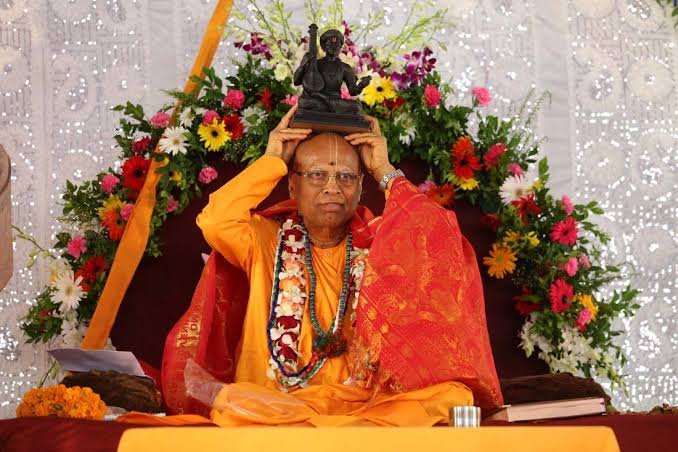
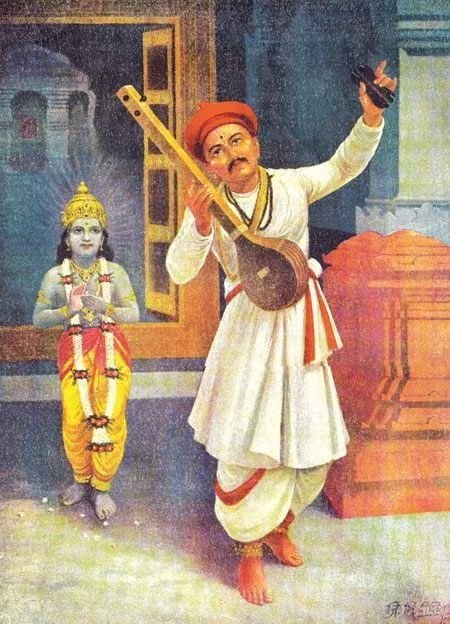
As the years passed, many saints enriched the movement — Sant Namdev Maharaj, Sant Tukaram Maharaj, Sant Eknath Maharaj, Janabai, Chokhamela, Savata Mali, Narhari Sonar, Gora Kumbhar, Sena Nhavi and others. Namdev brought intimacy with God, Tukaram taught deep surrender, Eknath brought discipline, Janabai embodied simplicity, and Chokhamela symbolized humility. Their abhangs became the guiding force of the Wari.
Namdev Maharaj beautifully describes the power of one sincere Wari:
“पढंरिची वारी करील जो कोणी । त्याच्या मागे पुढे चक्रपाणी ॥”
He says that the Lord Himself walks with the devotee who sets out for Pandharpur. When the heart is pure and the steps are for God, Vitthala becomes both the path and the companion.
“लोखंड असता सोने झाले कैसे । सभागम मिषे गुणे त्याच्या ॥”
Just as iron turns to gold when it meets fire, the pilgrim is purified by walking in the company of saints. When we walk with those who chant and remember God, even our faults start to melt away.
And: “तैसे एक वेळ करी मायबापा । चुकवी या खेपा चौर्यांशीच्या ॥”
He says that one true Wari done with love can wash away the weight of many past mistakes. Every mile walked for Vitthala becomes a prayer, and every chant becomes forgiveness.
“नामा ह्मणे असो प्रारब्ध सरे । होई कृपण नीटूरे चरणाचे ॥”
He adds that when someone truly bows at the feet of Vitthala, even destiny starts to change. The Lord’s mercy can turn the most helpless person into the most blessed one.
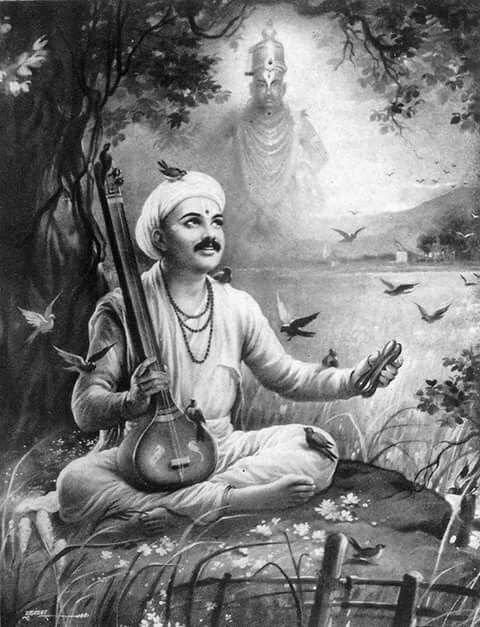 Tukaram Maharaj then opens his heart and shows what it truly means to live as a Varkari. He sings:
“होईन भिकारी । पंढरीचा वारकरी ॥”
He says he is ready to become a beggar if that keeps him walking to Pandharpur. For him, being Vitthala’s pilgrim is greater than any wealth or comfort.
“हाचि माझा नेम धर्म । मुखी विठोबाचें नाम ॥”
His only vow, he says, is to keep Vitthala’s holy name always on his tongue. Real dharma for him is simple remembrance, not rituals or show.
“हेचि माझी उपासना । लागेन संतांच्या चरणा ॥”
His worship is humble—staying near saintly people. He believes that by being close to true devotees, the heart becomes soft and the mind becomes steady.
“तुका म्हणे देवा । हेचि माझी भोळी सेवा ॥”
Tukaram finally says, “O Lord, this is my simple service.” For him, walking to Pandharpur, chanting sincerely, and staying with saints is honest, heart-born devotion.
In another abhang, he shows his personal bond with Krishna:
“कृष्ण माझी माता, कृष्ण माझा पिता । बहीण, बंधू, चुलता, कृष्ण माझा ॥”
He says Krishna is his mother, father, brother and every close relative. There is no relationship left outside of Krishna; wherever there is love, there is the Lord.
“कृष्ण माझा गुरू, कृष्ण माझे तारूं । उतरी पैलपारू भवनदीचे ॥”
Krishna, he says, is his Guru and the one who will ferry him across the river of worldly life. He has no fear of this ocean of birth and death because Krishna Himself is his boatman.
“कृष्ण माझें मन, कृष्ण माझें जन । सोईरा सज्जन कृष्ण माझा ॥”
Even his mind and all his friends belong to Krishna. Every kind soul he meets reminds him of the Lord; every good thought carries Krishna’s presence.
“तुका म्हणे माझा कृष्ण हा विसावा, वाटो ना करावा परता जीवा ॥”
Finally, Tukaram says Krishna is his peace and resting place. Once the heart has reached Krishna, there is no need to return anywhere else. The soul has found its home.
Tukaram also speaks firmly against impersonalism. He says:
“याजसाठीं वनांतरा । जातों सांडुनियां घरा ॥
माझें दिठावेल प्रेम । बुद्धि होईल निष्काम ॥
अंद्वैताची वाणी । नाहीं ऐकत मी कानी ॥
तुका म्हणे अहंब्रह्म । आड येऊं नेदी भ्रम ॥”
Here Tukaram says he is willing to leave all comfort for true devotion. He wants only pure love for the Lord, a love that makes the mind selfless and steady. Then he clearly rejects the Advaita idea of “I am God.” He says he does not even listen to such talk, because thinking “I am Brahman” creates confusion and blocks devotion.
This mood — that God is the master and the devotee is His servant — naturally matches the heart of Vaishnava bhakti.
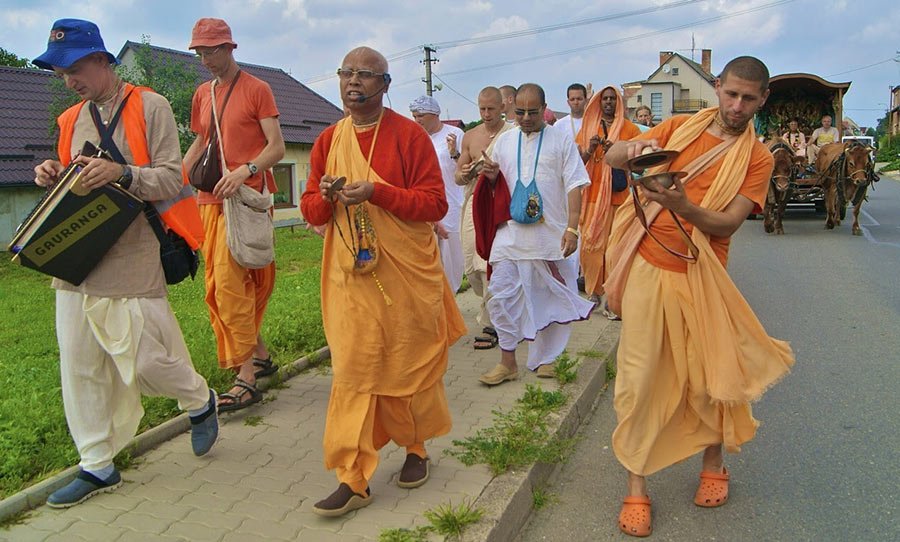
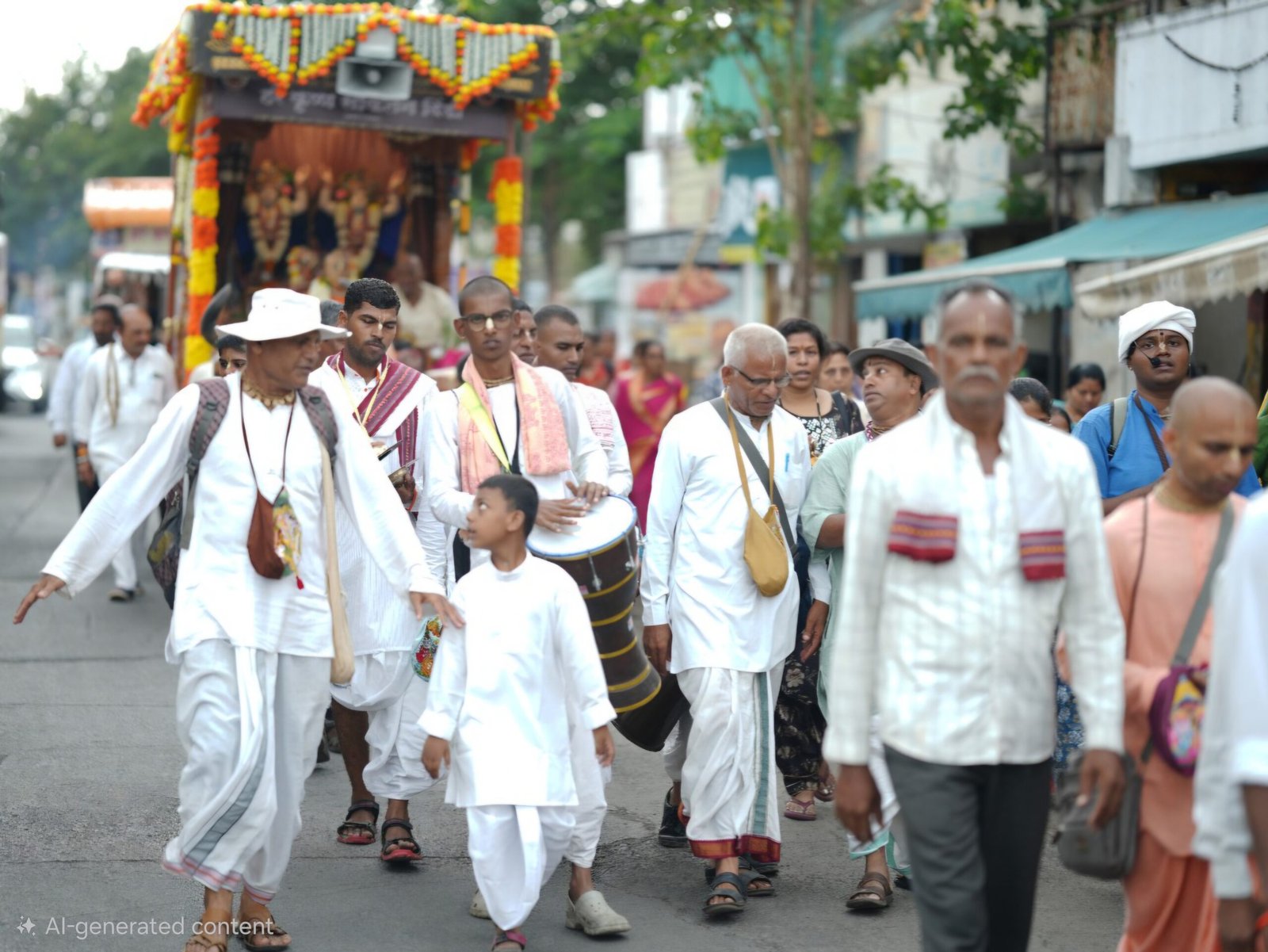
Along with abhangs, the saints shaped the dindi tradition — small groups from villages who walk, sing, cook, and stay together. Each dindi starts with a lady carrying a Tulsi plant, followed by a veena player, then mridanga and tal players, flag bearers, and rows of devotees chanting steadily. Many dindis carry decorated palkhis or images of saints. When all dindis come together, they form a long, peaceful chain of devotion moving toward Pandharpur.
The full journey begins each year in late May or June, leading up to Ashadhi Ekadashi, the most sacred day when lakhs gather for Vitthala’s darshan. The Dnyaneshwar Maharaj Palkhi starts from Alandi, and the Tukaram Maharaj Palkhi from Dehu. Villages clean roads, put up saffron flags, and prepare water, sharbat, and resting spots. As the palkhis pass through Bhosari, Vishrantwadi, Yerwada, Pune city, Camp, Fatima Nagar, and Hadapsar, the whole city becomes a moving festival.
The walk then heads toward Saswad and climbs the steep Dive Ghat, where people support one another. After offering prayers at Jejuri, the journey continues through Morgaon, Lonand, Taradgaon, Phaltan, Barad, Natepute, Malshiras, and Bhandishegaon — each village greeting the Wari with devotion. Near Wakhri, emotions rise as Ashadhi Ekadashi nears. After nearly 250 km and 18–21 days of walking, the first view of the Chandrabhaga River and the temple spire brings tears to many eyes. The chant of “Mauli Mauli!” fills the air. Entering Pandharpur on Ekadashi feels like returning home to Vitthala.